


Photo by David Clode on Upsplash
Our Team works diligently to identify and help execute conservation efforts globally.
The Freshwater Life Team

Graden Z.L. Froese
Graden works to span science, policy, and action to support Indigenous Peoples, local communities, and grassroots civil society in the conservation of biocultural diversity. After a decade in the forest, he is now focused on saving endangered freshwater species from invasive species.
Graden grew up the son of an ardent fly fisherman on the rivers and lakes of Coast Salish territories on Vancouver Island, Canada. He did his undergraduate studies in conservation biology at the University of British Columbia, received a PhD in the environment from Duke University, and is currently an external scientific collaborator with the University of Lausanne. Graden began his career as a conservation ecologist in Indonesia and Colombia before broadening to support Indigenous Peoples’ and local communities’ self-determined stewardship of their ancestral lands and waters, in Kawthoolei and Gabon. In 2019 he co-founded the Nsombou Abalghe-Dzal Association (NADA), a local NGO in Gabon that catalyzed a national movement to recognize and secure community conserved areas. We’re excited to see Graden apply what he’s learnt on scale with the Mulago foundation and movement-building with the ICCA Consortium.
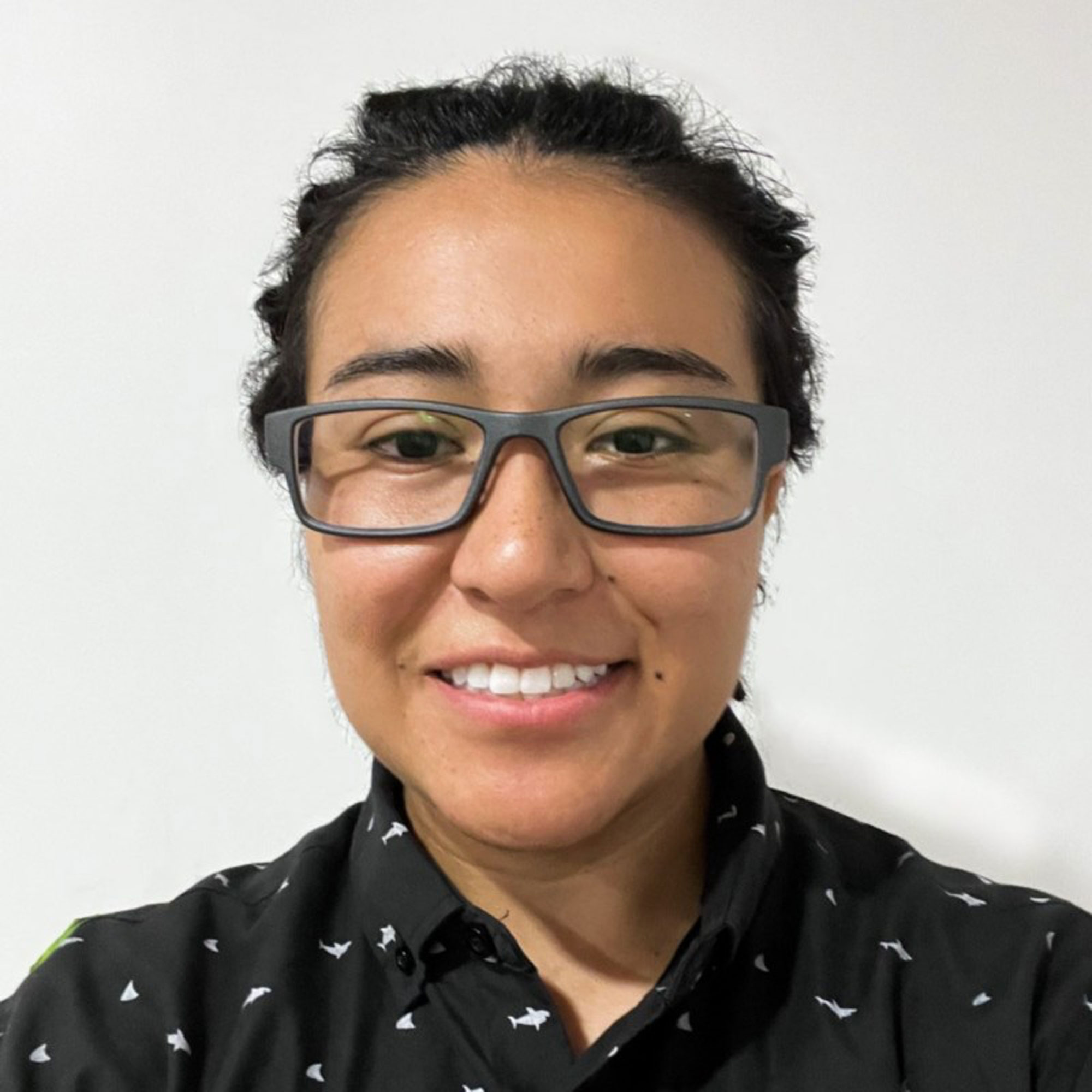
Anabell Espinosa
Anabell works at the intersection of data science and conservation to understand how freshwater ecosystems can be restored from the impacts of invasive species. As Lead Researcher at Freshwater Life, she is building FWISE: a global database of freshwater fish eradication efforts, synthesizing almost a thousand sources to identify what works in reclaiming these critical habitats.
Anabell was born and raised in Ecuador and served six years as a Medic in the United States Army before pursuing her passion for biology. She earned her B.S. in Biological Science and her M.S. in Biology from California State University, Fullerton, where she studied the ecology of California pipefish in the Molecular Ecology Laboratory. She is currently a Ph.D. student in Marine Biology at Scripps Institution of Oceanography, where she applies machine learning to passive acoustic data in the Machine Listening Laboratory.
The Freshwater Life Advisory Board
Our Advisory Board offers diverse, global, and renowned expertise in the conservation of freshwater biodiversity and cutting-edge invasive species science.

João Campos-Silva
João is a conservationist and researcher. He spent the last 10 years working with community-based conservation in Amazonia to generate benefits for people and nature. By creating links between local communities and government, he protects rich biodiversity in freshwaters.
João is the Director of Operations at Jurua Institute, which works with local communities to develop freshwater management plans based on pirarucu (a giant, high-value fish), then harvest and market the fish so the better management pays off. In addition to leading Jurua Institute, João works with coastal fisheries in Brazilian Marine protected areas at Federal University of Alagoas.

Gerardo Ceballos
When not in his native town of Toluca, Mexico, Gerardo is traveling the world taking beautiful photographs of natural places and their inhabitants. He is also an ecologist and conservation scientist recognized globally for his work on species diversity, distributions, and extinction risk.
His lab at the National Autonomous University of Mexico applies ecological research to solving conservation problems. He has been the president of the Mexican Mammal Society, and is a member of the National Academy of Sciences and the National Academy of Arts and Sciences. He has published 124 scientific articles, 39 dissemination articles, 187 book chapters and 31 books, including “The threatened fish of Mexico in danger of extinction”.

Myrna Cunningham
Myrna’s desire is to sit on the banks of the Wangki River and enjoy the sounds, connecting with the water protector spirits, her ancestors, fishes, birds, leaves and flowers. Myrna is a Miskita feminist, indigenous rights activist and medical surgeon from Nicaragua. Her work has advanced the rights of women and indigenous peoples in Latin America through engagement in political and social processes.
She has coordinated the Indigenous Chair of the Intercultural Indigenous University. She is the first indigenous woman to be recognized with an Honoris Causa Doctorate from the National Autonomous University of Mexico. She served as the Chair of the United Nations Permanent Forum on Indigenous Issues, and is the Chair of the Pawanka Fund.
Her service has also included work as an FAO Special Ambassador, advisor to the UN World Conference of Indigenous People, and a board member of the Global Fund for Women, Permanent UN Forum on Indigenous Issues, and The Hunger Project. She is President of the Board for the Latin American and Caribbean Indigenous People Development Fund, and Chairperson of the Center for Autonomy and Development of Indigenous People.
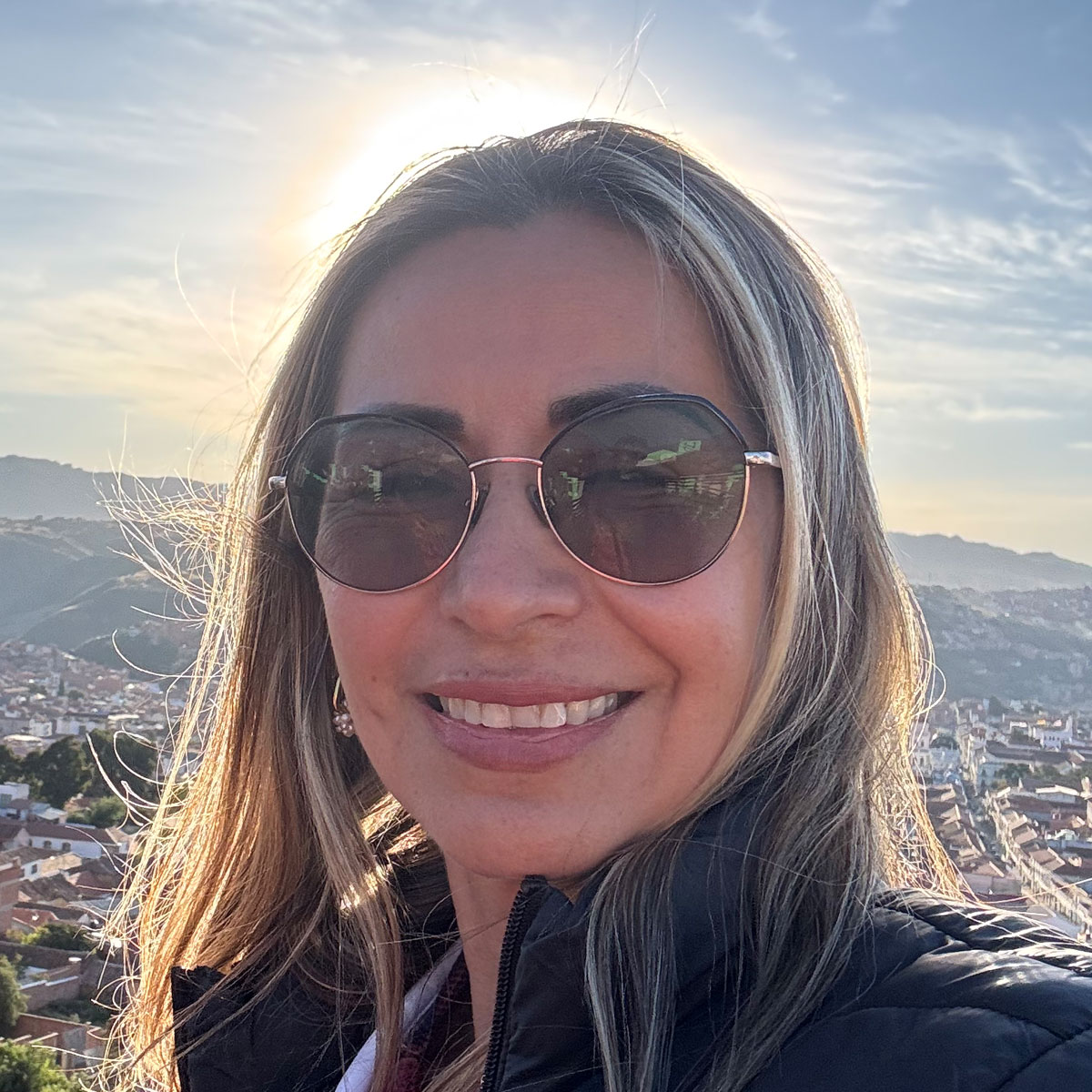
Maria Teresa Vargas
Maria Teresa was raised on a farm in the village of Mataral, in the buffer zone of Bolivia’s mega-diverse Amboró National Park. She now works with mayors and councilors from 56 municipalities across Bolivia to help them protect their forested water sources. Together, they have convinced half a million water users to sign agreements with 7,300 upstream landowners to conserve 475,000 hectares of water-producing forest. She is now leading the transfer of this reciprocity-based forest and water conservation model to municipalities in Colombia, Ecuador, and Peru.
Maria Teresa has a masters in economic policy from Universidad Nacional de Costa Rica and another masters in forestry from Yale University and also served as a Kinship Conservation Fellow in 2005. She is currently the executive director of Natura Bolivia Foundation, which creates deals where beneficiaries of downstream municipal water sources pay for upstream conservation.

Julie Hanta Razafilmanahaka
Julie studied water and forestry and started her career as a bat researcher. In 2003 she joined MaVoa as an intern and moved up the ranks to project leader, program manager and became the director in 2011. She won the Young Women in Conservation Biology Award at the International Congress for Conservation Biology. Julie has been the director of Madagasikara Voakajy since 2011. Madagasikara Voakajy brokers agreements between government, business and communities to create community-managed protected areas and reduce threats to endangered species in Madagascar, one of the most biodiversity-rich places in the world.

Zeb Hogan
Whether studying Taiman in Mongolia or searching for giant freshwater stingrays on the Mekong River, Zeb loves big freshwater fish. He is host of the National Geographic television show Monster Fish, in which he travels globally to study the world’s largest freshwater fishes. He is also a professor of biology at the University of Nevada, Reno, studying migratory fish ecology, fisheries management, endangered species issues, and conservation genetics. His research has been published in Nature, Science, Conservation Biology and the Environmental Biology of Fishes, as well as popular publications including Time Magazine and National Geographic Magazine. He has even written a children’s book to further conservation efforts of critically endangered freshwater fishes and to support livelihoods of local communities that share their habitats.

Kate Horner
Kate is a maker of fine cocktails who livens up any late night discussion about river conservation with her intellect and fancy drinks. She was previously the Executive Director at International Rivers, the most important organization that protects rivers and defends the rights of communities that depend on them globally. Before working on freshwater systems, she focused on protections for international climate and forests.
Previously, Horner was Director of Forest Programs for the Environmental Investigation Agency and a policy analyst at Friends of the Earth. Alongside her passion for protecting the environment, Horner is an advocate for social justice issues and is working to uphold community rights.

Hilary Hutcheson
Hilary’s career in fly fishing started as a teenager, where she worked as a guide in Montana. She continued to guide while studying for a journalism degree, and then worked as a news anchor and reporter. Hutcheson was a co-owner and operator of Outside Media and Trout TV for nearly a decade, and still writes for many outdoor industry publications.
She continues to guide on the gorgeous Flathead and Middle Fork of the Salmon Rivers, and volunteers as an instructor for Casting for Recovery. Her service also includes membership on the National Board of Backcountry Hunters and Anglers, and climate change activism with Protect our Winters. Hilary is a fly fishing ambassador for Patagonia, and owns and runs Lary’s Fly and Supply shop in her hometown of Columbia Falls, Montana.
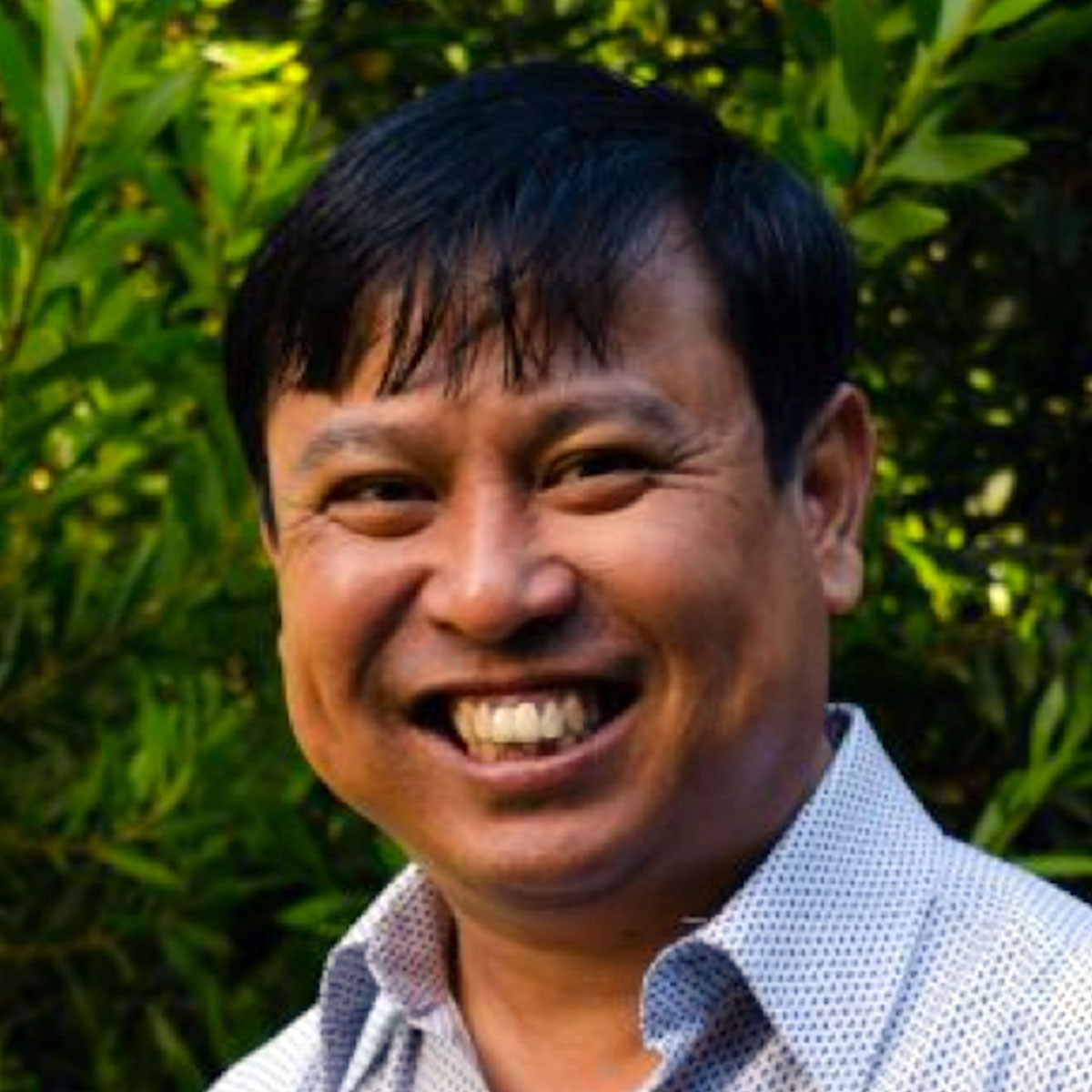
Aung Kyaw Thein
Aung Kyaw is a political economist and has devoted his life to helping Myanmar become more peaceful, democratic and environmentally sustainable. Through policy and coalition building his organization improves governance of natural resources (mostly freshwater and mangroves) and secures tenure rights for communities of small-scale fishers and farmers.
He has also played a central role in the revision of Myanmar’s fisheries law. In Myanmar, the source of divisive conflict is often linked to the battle to control natural resources. Innovative Resource Institute works to redistribute power over those resources. They help communities manage their freshwater fisheries and promote policies that recognize their rights to management.

Hal Mooney
Hal dreamed of being a politician and studied politics as an undergrad. After graduating, he found work as a deckhand on a freighter. The freighter happened to go to the tropics where he decided he wanted to travel the world and look at nature, so he became a botanist. Since then, Hal has played a key role in every major development in the study and management of invasive species. He is an emeritus faculty ecologist at Stanford University. Over the course of his six-decade academic career, Mooney has pioneered physiological ecology and played an international leadership role in biodiversity issues.
He has become an internationally recognized expert on plant species interactions with their environments, from the tropics through the arctic. Among a long list of accolades, Mooney was awarded the Tyler Prize in 2008, which is considered the Nobel Prize for Environmental Achievement. He has authored more than 400 scientific books, papers, and articles, and is a highly cited scientist. Mooney’s recent research has explored the impacts of global changes on ecosystem function, productivity, and biodiversity. In addition to his decades of crucial scientific research, Mooney’s active work on building global communities of scientists and arranging conferences on the environment has had tremendous impact in shaping the field of conservation.

Wanja Nyingi
Wanja is head of Ichthyology at the National Museums of Kenya. She is a fish expert, and authored the first field guide of freshwater fishes in Kenya. For her work in aquatic ecology and fish biodiversity, Nyingi was awarded the Order of Academic Palms, an order of knighthood of France for distinguished academics and figures in the world of culture and education.
As a National Geographic Explorer in 2018, Nyingi produced a project titled, “The Rise and Fall of the Rainbow Trout in the Mount Kenya Region,” exploring the history of trout introduction, local native species extinctions, and climate change as an emerging driver of trout extinction. She is also an Africa member of the Multidisciplinary Expert Panel (MEP) for the Intergovernmental Science-Policy Platform on Biodiversity and Ecosystem Services (IPBES).

Rajeev Raghavan
During his non-fishy time, Rajeev is hooked on the adventures of ‘Tintin’ and ‘James Bond’! Rajeev is an assistant professor at Kerala University of Fisheries and Ocean Studies in India. He is actively involved with the IUCN Species Survival Commission and holds various roles, including the South Asia Coordinator of the Freshwater Fish Specialist Group and the Freshwater Fish Red List Authority Coordinator for Asia/Oceania.
Raghavan is an aquatic conservation biologist whose lab investigates tropical freshwater aquatic biodiversity and its applications in conservation. His research focuses on species discoveries, molecular phylogenetics, evolutionary biogeography, extinction risk, conservation prioritization, and inland fisheries management. He has contributed to over 130 peer-reviewed publications, and works primarily on the freshwater fishes of the Western Ghats Biodiversity Hotspot. Rajeev speaks five languages: Malayalam, English, Hindi, Mandarin, and Tamil.

Jagdeesh Rao Puppala
Jagdeesh’s 35 year professional engagement has been on the interrelated issues of poverty and environmental degradation and on ‘systems thinking’ at the interface of ecology, society, and the economy. He was the Chief Executive of Foundation for Ecological Security (FES) for 20 years where he influenced policy, advanced knowledge generation and built a constituency for the Promise of Commons initiative that is improveing the governance and management of 30 million acres of village commons (community forests and pastures) in India.
Jagdeesh is now an Entrepreneur in Residence, Omidyar Network India. As the ‘Anchor and Curator’ at FES, he has now taken on the responsibilities ofJagdeesh has been conferred the prestigious ‘Skoll Award for Social Entrepreneurship’ 2015 and he is also a Henry Arnhold Conservation Fellow (2017) and Senior Ashoka Fellow (2020).

Daniel Simberloff
Dan’s keen sense of humor and sarcasm enliven any discussion of biodiversity conservation and invasive species. He is a professor of Environmental Studies at the University of Tennessee Knoxville, and the Editor-in-Chief of the journal Biological Invasions. He began his career in ecology as a graduate student for Edward O. Wilson at Harvard College, where they assessed the theory of island biogeography, earning them the Mercer Award in 1971.
He also championed the use of null models in community ecology, irrevocably changing how researchers analyze pattern data. He was instrumental in initiating the presidential Executive order 13112 on invasive species, and he serves on the IUCN Invasive Species Specialist Group and the IUCN Species Survival Commission. Simberloff has over 350 publications, and is currently engaged in ongoing projects on several invasions.

Melanie Stiassny
When not elbow-deep in the ichthyology collection at the American Museum of Natural History (AMNH), Melanie can often be found studying the fishes in the Congo River. Stiassny is the Axelrod Research Curator in the Department of Ichthyology at AMNH, as well as a Principal Investigator in the Sackler Institute for Comparative Genomics, and Professor at the Richard Gilder Graduate School.
Her extensive expertise in taxonomy and systematics spans all fish lineages. Melanie contributes to global conservation efforts by supporting NGOs and governments in development of conservation strategies, and advancing in-country expertise through collaborations with Congolese universities. Stiassny served as a member of the National Council of the World Wildlife Fund and the Advisory Board of National Geographic Society’s Conservation Trust. Melanie is also a respected advisor for many international conservation and research bodies, such as the World Conservation Union (IUCN), USAID, and the International Foundation for Science.
The Freshwater Life Board of Directors

Don Croll
Don is a Professor in Ecology and Evolutionary Biology, UC Santa Cruz, Co-founder of Island Conservation, founding partner and Science Director of the conservation for-profit Conservation Metrics, Inc., Faculty Director of the UCSC Natural Reserve System, and a National Geographic Fellow. He has conducted conservation research on island ecosystems and marine vertebrates for over 30 years and published over 100 papers and articles on the conservation and ecology of marine species and island ecosystems.
As a professor, he has been dedicated to developing the research programs, courses, and graduate training needed for direct conservation action. Early in his career, he won the Audubon Conservation award for his conservation research in California fisheries bycatch leading to the closure of a coastal California gill-net fishery. In 2006, he led a unique coalition of academics, conservationists, politicians, and fishermen that resulted in the US Pacific Fishery Management Council adopting a ban on commercial fishing for krill in federal waters in recognition of its vital importance to marine food webs.
He has trained over 600 undergraduates and 17 graduate and postdoctoral students in marine conservation, conservation biology, and field methods in conservation. Don received his B.S.in biology from UC Davis, M.S. from Moss Landing Marine Laboratories, and a Ph.D. from UC San Diego, Scripps Institution of Oceanography. He is currently the Robert Headley Presidential Chair for Integral Ecology and Environmental Justice.

Bernie Tershy
After failing at commercial fishing and professional surfing, Bernie pursued his Plan C – becoming a scientist. He’s now a serial conservation entrepreneur. Before co-founding Freshwater Life, he co-founded the: Conservation Action Lab at the University of California, Santa Cruz; the nonprofits Island Conservation and Conservación de Islas that together have protected over 460 insular endemics from extinction, and formed over 1,665,000ha of new marine and island protected areas; and the for-profit social venture, Conservation Metrics.
He also helped develop the: Henry Arnhold Fellows Program which finds great people with proven conservation solutions and helps them go to scale; and, California Biodiversity Initiative a Governor’s Directive that commits California, the world’s 5th largest economy, to no new extinctions of native species and protecting and restoring 30% of each California ecosystem.
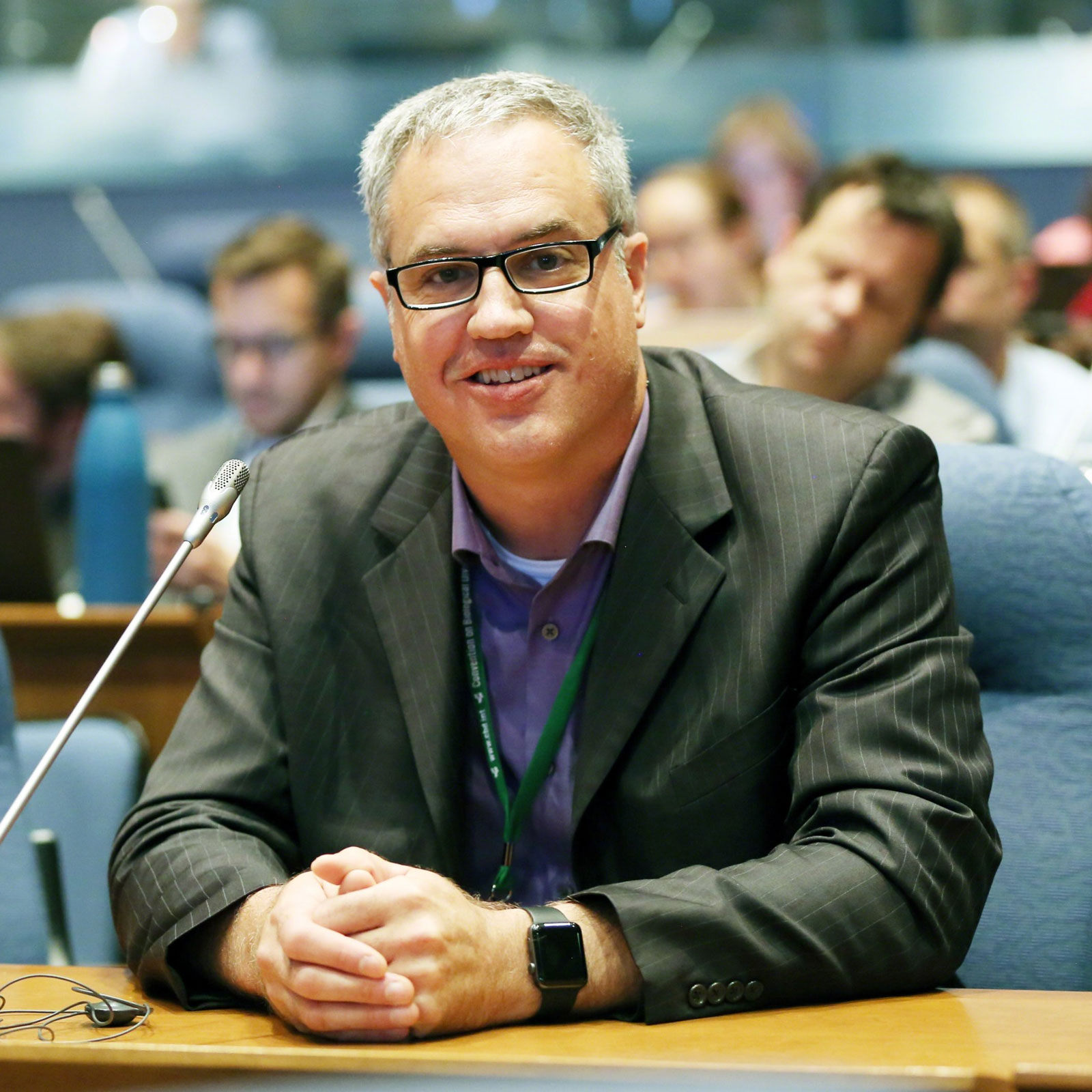
Gregg Howald
Co-Founder and Board Member
With over 25 years of experience in conservation, Gregg Howald is a leading expert in the field of ecosystem restoration. He has been involved in the eradication of invasive species in islands from the high latitudes to the deep tropics. With a diverse technical background, grounded in ecotoxicology, Gregg’s focus has evolved into conservation diplomacy and is a key member of controversial projects.
He helps lead public engagement processes, where he supports the communication of risks and benefits of projects to inform values‐based decisions including regulatory compliance processes and stakeholder engagement. He has developed a network of global partners from government agencies, private industry, NGOs, academic institutions, and local communities working toward increasing the scale and scope of conservation actions.
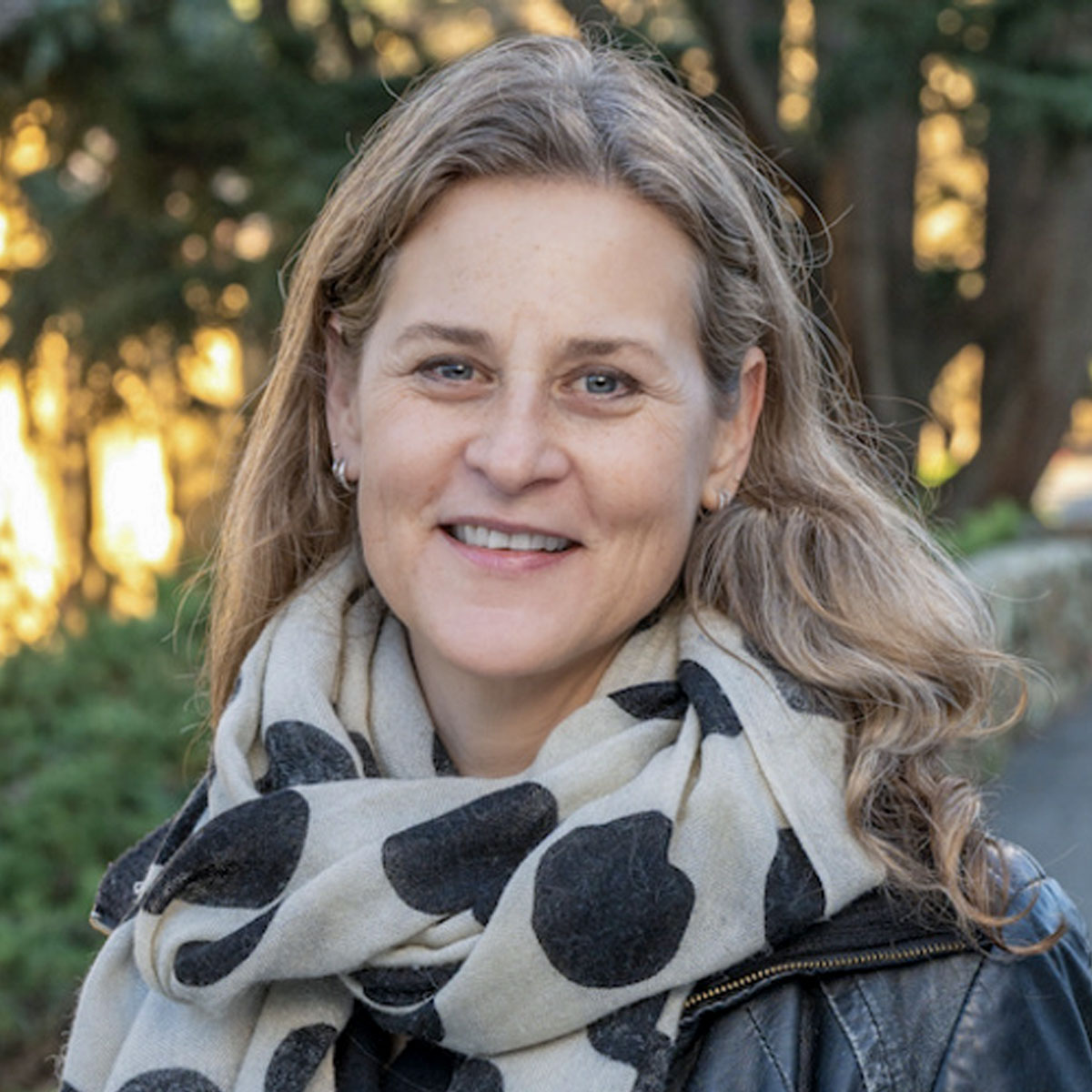
Nicole Franz
This involved implementing projects in over 20 countries, contributing to FAO flagship publications and engaging in policy processes such as the UN Ocean conferences, the UN Permanent Forum on Indigenous Peoples, the Committee on World Food Security, all under the banner of the FAO Voluntary Guidelines for Securing Sustainable Small-Scale Fisheries. In 2025 Nicole left her favourite city Rome to join Stanford University’s Doerr School of Sustainability as a Research Scholar. She continues to study the intersection of fisheries, food systems, biodiversity and climate change around the world. Building on her extensive network of partners from the community to the global level, she helps bridging the gap between research and policy, ensuring that small-scale fisheries remain a priority in global sustainability efforts.
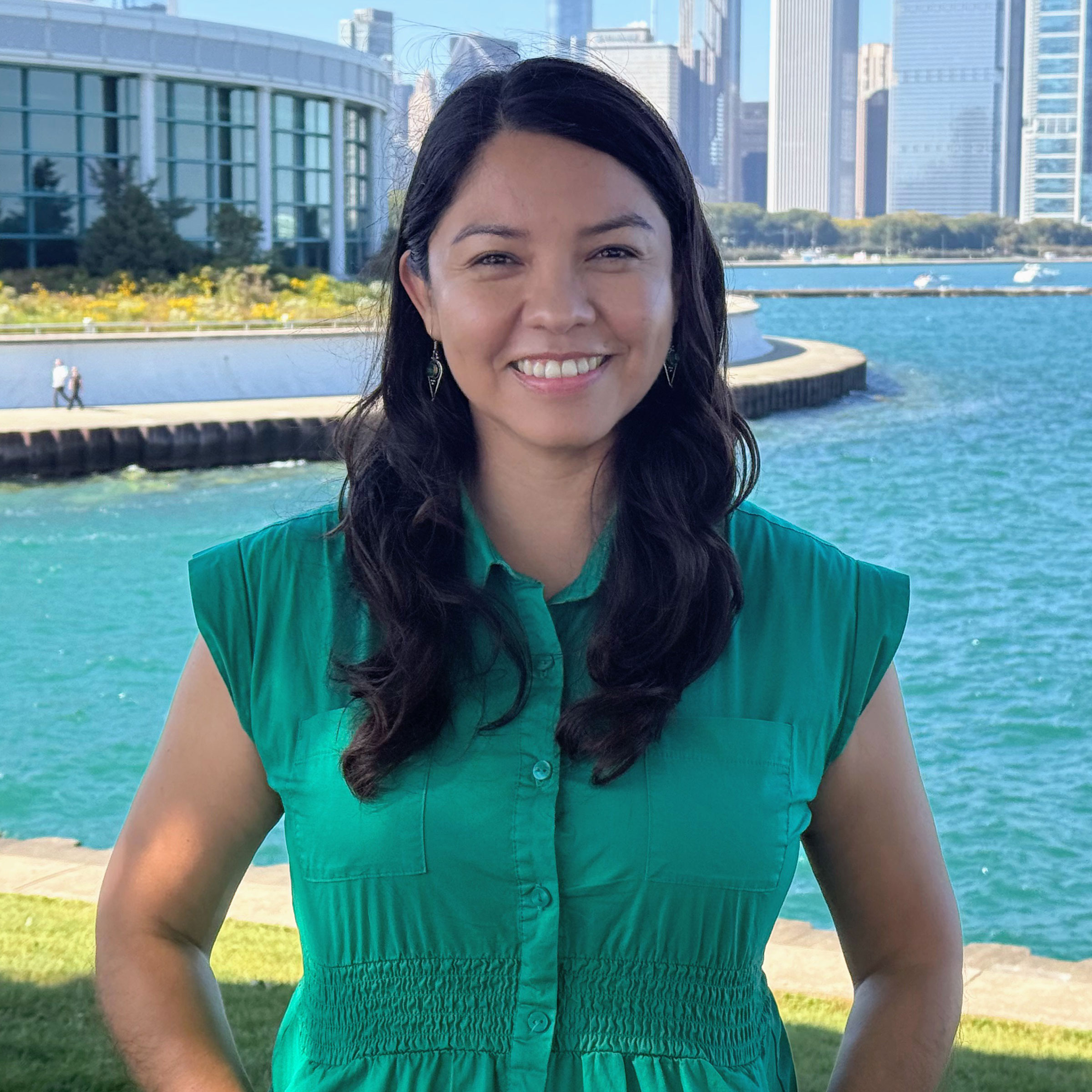
Yasmín Quintana
She currently manages the Center for Species Survival: Freshwater at Shedd Aquarium, established in partnership with the IUCN Species Survival Commission. In this role, she leads multi-country initiatives to protect threatened freshwater species, builds partnerships with governments, NGOs, local communities, and scientists, and develops capacity-sharing programs to strengthen regional conservation networks. She co-founded the Mesoamerican Alliance for Freshwater Biodiversity Conservation, which convenes researchers and practitioners from eight countries. She also co-leads the IUCN CEM Wetland Ecosystems Specialist Group and serves on the IUCN SSC Freshwater Conservation Committee. Across these roles, she works to build partnerships that translate knowledge into conservation action, connecting local efforts to broader regional and global biodiversity goals.